Vaccination day: why feeding during the injection helps
 By Mansi Shah, IBCLC ·
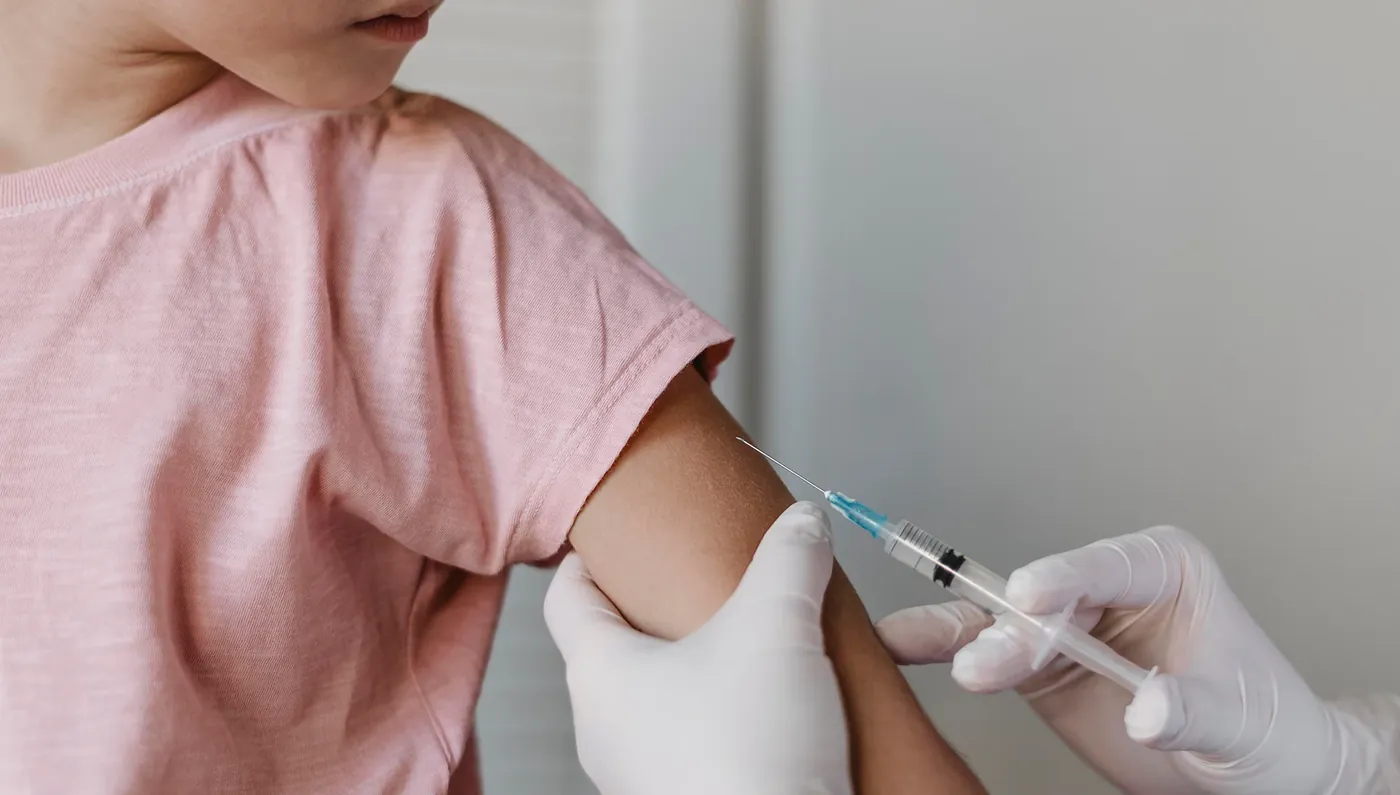
Many mothers dread vaccination day more than their babies do. Here's something simple that really helps: breastfeed your baby during the injection.
Why it works
Breastfeeding combines several things that comfort a baby at once: being held close, skin-to-skin warmth, sucking, and the sweet taste of milk. Studies have found that babies who breastfeed during their shots tend to cry less and settle faster. It's recommended by health organisations around the world, including the WHO.
How to do it at the clinic
- Tell the doctor or nurse first that you'd like to feed during the vaccination. Most are happy to work around you.
- Latch your baby a minute or two before, so they're settled and sucking well when the injection happens.
- Hold your baby securely, with the leg or arm that's getting the shot easy to reach.
- Keep feeding afterwards for as long as your baby wants.
- Wear something that gives easy access, like a front-opening kurta or a feeding top.
Don't worry if your baby still cries a little. Crying doesn't mean it didn't help. Most babies settle much faster at the breast.
If you can't breastfeed at that moment
- Hold your baby upright against your chest, skin-to-skin if possible
- Stay calm and talk softly. Babies pick up on our stress.
- Give a feed of expressed milk or formula straight afterwards
- Rock or gently walk until your baby settles
Later that day
Some babies are fussier or sleepier after vaccines, and may want to feed more often. That's normal, so let them. If your baby has a high fever, is unusually drowsy, or you're worried about anything, call your paediatrician.
Have questions about feeding in the first months? Send me a message. I'm happy to help.
Mansi Shah, IBCLC
Lactation consultant in Mumbai, 15+ years with mothers and babies. More about me
General information only. Your paediatrician is the best person to advise on your baby's vaccination schedule.